Multimedia Library | Advocacy | Culture | Practice
- Elevating Interdisciplinary Age-Friendly Person-Centered Care Excellence
- Advancing Community-Based Pharmacy Practice: A Hub and Spoke Academic Model
- Closing the Care Gap: Advancing Community Health Through Pharmacy‑Based Point‑of‑Care Testing
- Utilizing Pharmacy Students in a Value-Based Care Model [Category Winner]
- Faculty Immersion in Contemporary Community Pharmacy Practice to Transform Curriculum and Advance Workforce Readiness [Grand Overall Winner]
- Transforming Community-based Practice Through Integrated Internship
Practice – Expanding Pharmacist-Provided Patient Care Services
Projects in the Practice category explored new ways for community pharmacists to care for patients. Teams tested, launched, and grew services that bring more hands-on pharmacist care into the communities they serve.
Elevating Interdisciplinary Age-Friendly Person- Centered Care Excellence
Lake Erie College of Osteopathic Medicine (LECOM), Colonial Family Pharmacy (CFP) #2, BUILD, Greater Erie Community Action Committee (GECAC), Erie County Immunization Coalition (ECIC) | Faculty Lead: Katie Zboyovski
Narrative Description:
Problem Statement:
Erie County faces significant health disparities and a need for coordinated care that addresses social drivers of health, particularly among our most vulnerable populations, such as our growing older adult population, under-resourced persons, and infants through adolescents. There is a critical gap in community-level interventions that build trust while providing interdisciplinary clinical services to meet persons where they are.
Description of the New Collaboration:
This initiative represents a robust partnership led by the Lake Erie College of Osteopathic Medicine (LECOM) and its School of Pharmacy. Key external partners include Colonial Family Pharmacy #2, which provides personalized community pharmacy services and free home delivery; BUILD, a nonprofit focused on health equity and trusted access; GECAC HomePLUS Program, which assists low-income adults and older adults remain independent in their homes; and the Erie County Immunization Coalition (ECIC), who works to increase public awareness about immunizations.
The project utilized inter- and intra-professional teams comprising licensed practitioners and students, interns, and residents at various training stages, from pharmacy, dental, podiatry, osteopathic medicine, nursing, philosophy doctors, and administrators. The project was also able to collaborate with local schools and included middle and high school students interested in a career in healthcare which ended up being of great benefit to all.
Project Implementation:
Volunteers completed various training based-on event topic interest all prior to challenge implementation. Training included age-friendly care (pharmacists, pharmacy, institution, level 1 and 2 recognition within long term care communities), dementia friend, tobacco treatment, medical billing, immunizations, end of life care and planning, all to further support our intent of the importance of interprofessional, age-friendly, person centered care excellence for every person at every encounter. This also led to training for personal health and wellness and lead to a late but invaluable partner integration, the Erie art museum.
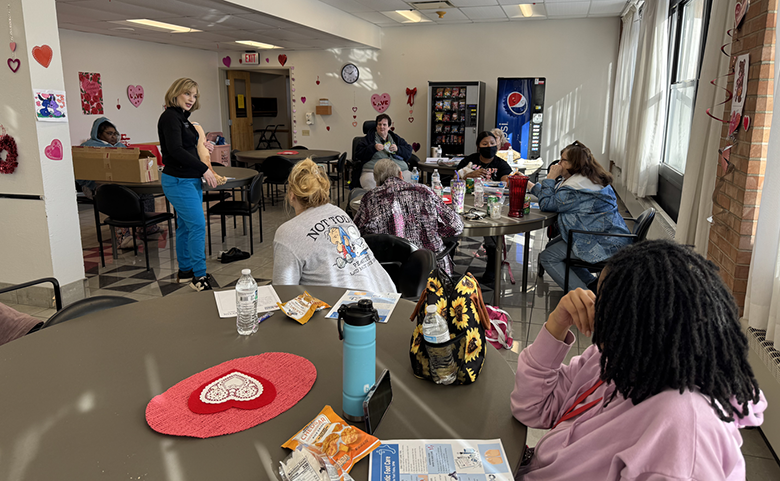
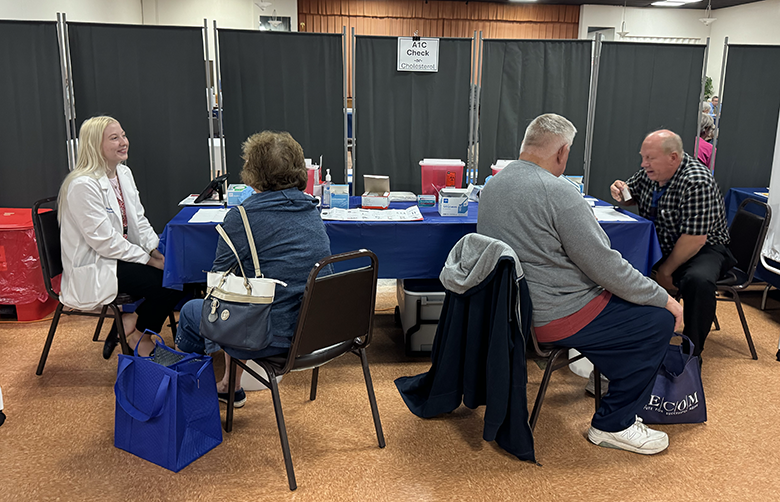
Our team and volunteers implemented events throughout various Erie County locations, thanks to our community pharmacy advocates and partners. Initial events focused on building trust and understanding the roles of each represented healthcare profession and the value of interprofessional teams. Events offered education, active learning, and opportunities for active change implementation. Event topics included immunizations, medication reviews, dental hygiene, podiatric care, chronic disease self-management, point of care testing for A1c, lipid panel, and respiratory panel if indicated.
Outcomes & Impact:
Community and Patient Impact:
This challenge motivated our team to directly address known health disparities throughout rural Erie County. We successfully provided trusted access to healthcare through team and volunteer training, strategic partnerships, to elevate person-centered and community-level interventions with excellence. By meeting people where they were, their own homes and trusted neighborhood support centers we made great progress to help expand access to essential healthcare services and forward progress towards achieving health outcome equity.
- Number of Events = 21
- Number of Persons Directly Impacted = 321
- Number of Vaccines Administered = 80
- Number of POCTs Completed = 140
Trainee Impact:
Our inclusive team and volunteers gained invaluable experiences in everyday real-world environments. Actively working alongside dental, podiatry, medical, nursing, and pharmacy students, interns, residents, and experienced practitioners we believe all team members and every volunteer truly developed a deeper understanding of their individual roles within each profession but how instrumental and imperative a holistic care team is, not just for patients and improved outcomes but for each other’s wellbeing, joy in work, life-long learning, increasing competency, knowledge, skills, and expert connections, all promoting a promising future for healthcare. Practicing practitioners, voiced personal joy in event participation, brought their “why” back to the forefront, improved understanding and collaboration with multi-generational persons, usually always leading to keeping them updated with ongoing work and outreach opportunities.
- Total Number Team Member and Volunteers = 82
Pharmacy Profession Impact:
This challenge showcased various health care professions, but our core team of pharmacy champions gave us a key opportunity to demonstrate our unique set of skills, knowledge, value, and capabilities of pharmacists in all settings with great intention placed on community pharmacies to prove the positive impact we can make within a healthcare team and more importantly for our community and mutual patients. We successfully highlighted that pharmacists and community pharmacies are well equipped, willing, and ready to be further integrated into broader social and clinical outreach endeavors. As seen with our growing community partnerships; GECAC for successful living support, BUILD for social drivers of health, Erie Art Museum for self care, health and wellness. If nothing else, we proved pharmacy services extend far beyond traditional dispensing.
Sustainability & Replicability:
Sustainability:
Elevating interdisciplinary age-friendly person-centered care excellence is sustainable. Although, the growing LECOM health system allowed for accessibility of volunteers and experts. Another element assisting with sustainability is that Colonial Family Pharmacy is soon to be opening two new locations within Erie County which will allow for continuation and expansion of the program and services offered during events. Thanks to our amazing community partners support and drive to continue and expand the services offered we will continue our community engagement and outreach efforts!
Replicability:
Other schools, institutions, or organizations can elevate interdisciplinary age-friendly person-centered care excellence with ease if championed by the right team, fully supported by administration, help fulfill community needs, and finding partners with shared missions. Share information about the purpose/goal of your initiative to gain volunteer interest, idea sharing, and to utilize individual resources and relationships. Based on your community’s care gap, tailor team and volunteer trainings to those topic areas and add others as requested or indicated, such as the Age-Friendly Care, Dementia Friend, or Point-of-care Testing Certifications. Many useful training programs are free or again utilize internal faculty, local practitioners (ask volunteers if they know of a program or expert). Though very simple, but we feel to be the most impactful, initial events at each location focused on fostering resilient relationships. We completed “about me” activities mixed with a gallery overview on various health care professions and the importance of an interdisciplinary team, which created an irreplaceable, strong, safe, and trusting foundation to create positive sustainable and impactful change for all involved. Also, meeting people where they are is key and is scalable with the right partners such as local community action committees or immunization coalitions.
Impact Statement:
Elevating Interdisciplinary Age-Friendly Person-Centered Care Excellence is a transformative approach for the future of community pharmacy and healthcare, through unity, collaboration, social connections, trust, empathy, and education. The Unite for Impact Challenge allowed our team to position pharmacists and community pharmacies with an influential role within our interdisciplinary team. It became an opportunity to show and prove the vast importance and utility of the pharmacy profession by closing transactional doors and opening relational ones. This challenge matters because it provided motivation and an opportunity to showcase pharmacy with real-world experiences and fostering resilient relationships that are truly invaluable and meaningful. In addition, the positive impact and growth of all those involved in various ways left those with positive memories, safety, support, hope, and inspiration!
In closing, the success, sustainability, replicability, and impact of our challenge submission is deeply rooted by the oath of a pharmacist with stems of the mission, vision, and core values of LECOM. The cultivation of meaningful, positive, lasting, safe, trusting, and accessible environments and relationships is the oxygen our roots and stems need to elevate interdisciplinary age-friendly person-centered care excellence for every person at every encounter! Through training the next generation of healthcare providers and treating community members as family, we ensure that the profession of pharmacy remains vibrant, trusted, and essential for all time.
Media Links and Supporting Documents:
Please visit links for more details:
- Elevating Interdisciplinary Age-Friendly Person-Centered Care Excellence
- Patterson-McCallum-Mareta Charitable Pharmacy (PMMCP) | P4A 2026 (Video)
Advancing Community-Based Pharmacy Practice: A Hub and Spoke Academic Model
Purdue University| Faculty Lead: Omolola (Lola) Adeoye-Olatunde
Narrative Description:
Problem Statement:
Community pharmacy innovation is occurring across academic pharmacy, but often in fragmented, unconnected ways. Academic pharmacy programs are advancing community pharmacy practice through pharmacist-provided patient care services in academic community pharmacies, corporate partnerships, nonprofit clinics, residency and fellowship programs, research initiatives, and legislative engagement. Despite this progress, efforts often occur in parallel rather than as a coordinated system, limiting shared visibility, alignment of practice models, and collective documentation of impact.
Perceptions about community pharmacy limit recognition of its evolving role in patient care. A persistent narrative within the profession suggests community pharmacy practice is constrained in its ability to deliver meaningful, patient-centered care. This perception influences how students, pharmacists, and faculty view community pharmacy, even as innovative care models are being implemented.
Advancing practice requires not only innovation but also infrastructure. A challenge for academic pharmacy is advancing pharmacist-led care and also making that innovation visible, connected, and clearly articulated as part of a broader practice transformation. Without intentional structures to link practice environments, share implementation strategies, and document outcomes, innovation remains siloed and difficult to demonstrate.
Description of the New Collaboration and Implementation:
Inspired to start at home, Purdue University established the Community Pharmacy Advancement Committee (CPAC) hub-and-spoke model to “unite academia and practice for impact.”
Purdue responded to this challenge by creating a structure to connect practice environments, strengthen implementation of pharmacist-provided services, and capture the evolving role of community pharmacy practice. From November 2025 to April 2026, the CPAC served as a structured hub to connect complementary “spokes” representing community pharmacy practice environments.
The spokes include:
- Purdue Patterson-McCallum-Mareta Charitable Pharmacy (PMMCP)
- Purdue University Pharmacy (PUP)
- CVS corporate–academic partnership sites
- Community-based residency and fellowship programs
- Community pharmacy advancement elective & APPE
- Rx-SafeNet practice-based research initiatives
- Legislative advocacy engagement.
Establishment of the only licensed charitable pharmacy in central Indiana, based within a food pantry, demonstrates how coordinated infrastructure can accelerate new care models. In Nov 2025, PMMCP, a community-based medication access model located within Gleaners Food Bank was established. The charitable pharmacy expands access to critical medications for individuals who are uninsured or underinsured. This pharmacy represents an innovative pharmacist-led care model embedded within a community resource.
Insights from PUP, an established independent community pharmacy within an academic environment, were critical in informing the operationalization of the PMMCP. This connection illustrates how coordination across practice settings can accelerate implementation of new pharmacist-led services. As one community partner described, the pharmacy has been “a godsend” for families in need.
This model advances community pharmacy practice by cross-setting visibility and alignment. CPAC met every three weeks with facilitated discussions designed to create visibility into ongoing practice activities and efforts. The committee introduced standardized templates for documenting pharmacist-provided services and practice outcomes. These efforts strengthened the coordination of pharmacist-led services. External partners, including the Indiana Pharmacy Association and the Community Pharmacy Enhanced Services Network of Indiana, supported these efforts through alignment with statewide practice initiatives and communication.
Outcomes & Impact:
The CPAC hub-and-spoke model measurably expanded pharmacist-provided patient care services, strengthened practice infrastructure, and increased learner engagement across community pharmacy settings within a five-month period.
The model created a structured mechanism to enhance visibility, coordination, and documentation of community based pharmacy practice activities. Positioning CPAC as the central hub enabled real-time synthesis of impact across academic, corporate, nonprofit, research, and policy settings, demonstrating how academic pharmacy can better align efforts and advance community pharmacy practice.
The model strengthened practice infrastructure and accelerated implementation of pharmacist-led care models across settings.
- Established a coordinated hub aligning activities across practice environments, improving shared visibility and reducing siloed efforts
- Secured 6 new MOUs and 3 grants to support implementation and sustainability of community-based pharmacy services
- Delivered 26 teaching and practice advancement sessions supporting implementation of pharmacist-provided services across practice sites
- Advanced 4 multi-site implementation and research initiatives engaging community pharmacy partners across Indiana
The model engaged and influenced learners at scale, strengthening understanding of community pharmacy as a practice setting.
- Engaged 450+ student pharmacists through coordinated didactic, experiential, and practice-based learning activities
- Embedded 200+ learners across practice sites, including student pharmacists, residents, fellows, interns, and interprofessional learners
- Newly launched CVS “We Care Wednesday” sessions, engaging ~25 students across 2 events focused on high impact community pharmacy topics including drug utilization review, drug interactions, and leadership • Supported 137 APPE students in community-based settings and 147 P3 students in advocacy engagement
- 72.8% of students reported increased understanding of advocacy’s role in advancing pharmacy practice
- Learner reflections demonstrate a shift in perception of community pharmacy as a clinical, evolving practice setting:
- “I can clearly see that steps are being taken to include more clinical services and expand the role of pharmacists in community settings.”
- “This experience showed me that community pharmacy is not only about day-to-day patient care, but also about shaping the future of care delivery.”
- Students also reported increased interest in advancing community-based clinical services, including pharmacist prescribing, point-of-care testing, and billing for pharmacist-provided care
Pharmacist-provided patient care services were expanded across multiple domains, improving access to medications, preventive care, and public health services.
- Provided 6,879 tuberculosis medication services reaching 1,315 patients across all 92 Indiana counties
- Provided 109 contraceptive prescribing consultations, 2 smoking cessation consultations, and 9 travel health appointments, expanding access to pharmacist-led care
- Reached 21 counties and 28 zip codes through the newly established charitable pharmacy–community partnership model
- Dispensed 295 prescriptions and vaccinations to 108 uninsured patients, improving medication access for underserved populations
This model demonstrates a scalable approach for academic pharmacy to align existing and new practice environments to advance community pharmacy practice. At the profession level, this hub-and-spoke model provides a transferable framework for reducing fragmentation, strengthening implementation, and more effectively capturing the collective impact of community pharmacy practice across settings.
Sustainability & Replicability:
The CPAC hub-and-spoke model is sustained through its establishment as a standing committee within academic pharmacy infrastructure. The Community Pharmacy Advancement Committee (CPAC), initially formed in 2020, will continue beyond the initial implementation period as an ongoing structure within the Department of Pharmacy Practice to coordinate community pharmacy practice efforts across settings. To sustain collective impact, CPAC will conduct check-ins during standing meetings and APPE student-facilitated data updates, maintaining a structured approach to aligning and tracking pharmacist-provided patient care services.
Sustained partnerships and integrated practice infrastructure support continued implementation and expansion. External partners, including statewide organizations and community-based collaborators, will remain actively engaged through ongoing alignment of practice initiatives, shared programming, and dissemination efforts. Existing agreements and infrastructure, specifically with the state pharmacy association and state Community Pharmacy Enhanced Services Network (CPESN), support continued delivery and expansion of pharmacist-provided services. Additionally, CPAC's structure includes standing partnerships across academic, corporate, nonprofit, research, and policy settings. Notably, pharmacy chains have demonstrated a willingness and sustained interest in engaging in these meetings to advance pharmacy practice collaboratively, dedicating pharmacist time to be an integral part of the committee.
Integration into training programs ensures a continuous pipeline to support long-term impact. The model is embedded within didactic, experiential, and postgraduate training programs, enabling sustained learner engagement in community-based practice, implementation, and advocacy. A community pharmacy advancement didactic elective course introduces innovative practices in community pharmacy to students, and second and third year professional students sit on CPAC to represent their cohorts. An elective APPE focused specifically on advancing community pharmacy practice provides hands-on training to students in research, legislative advocacy, and practice advancement. Postgraduate fellows lead research efforts focused on practice transformation and the sustainability of new practice models. This focused integration supports community pharmacist workforce development and prepares future pharmacists to advance community pharmacy practice.
This model is transferable and scalable across academic pharmacy settings. The CPAC hub-and-spoke model is designed to be adaptable, leveraging existing and new practice environments, partnerships, and low-cost coordination structures. Standardized templates developed by this team for outcome tracking and structured convening processes can be readily adopted by other colleges of pharmacy, enabling replication without significant new infrastructure while maintaining alignment across practice settings. Focused coordination with state pharmacy associations can lead to mutually beneficial legislative advocacy events at statehouses, leaning on the state association for logistics and site coordination in exchange for increased visibility and impact with student and faculty representation.
Impact Statement:
Coordinated infrastructure is necessary to move community pharmacy practice from isolated innovation to collective advancement. The CPAC hub-and-spoke model demonstrates how academic pharmacy can move beyond isolated innovation to coordinated advancement of community pharmacy practice. Efforts to expand pharmacist-provided patient care services are often disconnected, limiting their collective visibility and impact. This model addresses this gap by creating a structured approach to connect practice environments, align implementation efforts, and capture and communicate outcomes.
Connecting practice environments makes the full scope of pharmacist-provided care visible and actionable. This approach makes visible the full scope of pharmacist-led care and provides a mechanism to accelerate implementation across sites. Integrating an established academic community pharmacy with the development of a charitable pharmacy model illustrates how practice-based insight can directly inform and support expansion of care to underserved populations.
Exposure to coordinated practice models reshapes how community pharmacy is experienced and understood. By engaging students, trainees, and practitioners across settings, this model reinforces community pharmacy as a dynamic setting for patient care. It shifts perception from a fragmented practice environment to one capable of innovation, growth, and meaningful impact.
This model offers a scalable framework to advance community pharmacy practice across the academy. The CPAC hub-and-spoke model provides a transferable approach for academic pharmacy programs seeking to better align practice environments and expand pharmacist-provided patient care services. By strengthening connections across settings and elevating shared impact, this model contributes to a broader transformation in how community pharmacy practice is implemented, experienced, and advanced.
Media Links and Supporting Documents:
Please visit links for more details:
- Community Pharmacy Advancement Committee
- Advancing Community-Based Pharmacy Practice: A Hub and Spoke Academic Model
- Community Pharmacy Residencies
- Community Practice Research Fellowship
- Purdue University Pharmacy
- Patterson-McCallum-Mareta Charitable Pharmacy
- Fellowship
- It’s a godsend’: How a new charitable pharmacy is providing Hoosiers in need with life-saving medication
- Patterson-McCallum-Mareta Charitable Pharmacy (PMMCP) | P4A 2026 (Video)
Closing the Care Gap: Advancing Community Health Through Pharmacy‑Based Point‑of‑Care Testing
Texas Southern University College of Pharmacy and Health Sciences and Heart to Heart International | Faculty Lead : Adlia Ebeid
Narrative Description:
Despite their extensive clinical training, many community pharmacists have been unable to fully utilize their clinical skills due to workplace demands dominated by dispensing, administrative tasks, and productivity pressures. However, advances in technology are creating an important opportunity for community pharmacists to shift routine, repetitive, and administrative tasks, allowing them to reclaim time for higher-value, patient-centered care. By offloading non-cognitive work, pharmacists can practice more fully at the top of their license, focusing on clinical decision-making, direct patient care, and improving health outcomes.
Simultaneously, access to timely, reliable, affordable healthcare services remains a persistent challenge in underserved communities. Chronic disease burden, delayed diagnosis, and fragmented care disproportionately affect populations with limited access to primary care services. Workforce shortages, limited clinic availability, and structural barriers further constrain access to preventive and diagnostic services. Although community pharmacies remain among the most accessible healthcare touchpoints, their potential to deliver services such as point-of-care testing (POCT) and collaborative care has not been fully realized due to lack of implementation strategies and ongoing support.
In response to this gap, Texas Southern University College of Pharmacy and Health Sciences (TSU-COPHS) and Heart to Heart International launched a new collaboration focused on developing a turnkey strategy to facilitate the implementation of POCT in the community pharmacy setting. This partnership leverages complementary strengths: TSU-COPHS contributes academic expertise, research capacity, experiential infrastructure, continuing education, and a student pharmacist workforce, while Heart to Heart International provides timely and accurate treatment protocols, facilitates equipment procurement, standardizes staff training, provides access to quality control initiatives and enhances sustainability measures.
Together, the partners share a common goal of advancing access to care, strengthening health equity, and expanding the role of the community pharmacist as a frontline healthcare provider. The collaboration is intentionally designed to support pharmacists who are transitioning from task-heavy workflows toward technology-enabled administrative tasks, provide more patient-centered practice models that emphasize prevention, screening, diagnosis, treatment, chronic disease management, and generate ancillary revenue.
The project was implemented through a stepwise, collaborative approach. First, TSU-COPHS faculty and Heart to Heart International leaders jointly identified priority community health needs and assessed pharmacy readiness for POCT services. Clinical focus areas aligned with prevalent chronic conditions and gaps in preventive care/acute care within the target populations. Second, the team created a procurement budget for instrumentation and supplies and developed standardized protocols. In addition, the team developed training materials and workflows to support POCT delivery in community pharmacies. Training emphasized test administration, quality assurance, result interpretation, patient education, documentation, and referral pathways. The following step will be to couple this project with collaborative practice algorithms to facilitate diagnosing acute conditions, prescription authorization, treatment and disease management in community pharmacies.
Once these items are complete, the implementation of POCT services are ready to be introduced to the community pharmacies and will do so via continuing education courses and on campus simulation lab, where community partners, preceptors, students, and alumni can come examine and train on the equipment as they consider adopting POCT in their community setting.
Outcomes & Impact:
The primary outcome of this initiative is the development and delivery of a comprehensive, turnkey implementation package that enables community pharmacies to adopt and sustain point-of-care testing (POCT) services with consistency, quality, and regulatory compliance. Through this structured approach, the project produces tangible tools, resources, and training outcomes that reduce implementation burden and accelerate pharmacist engagement in patient-centered clinical services. In alignment we have completed the following:
- Created a POCT menu to highlighting the most necessary, applicable and functional testing options for community pharmacists
- Created a budget with negotiated prices in partnership with Henry Schein for instrumentation
- Created Standard Operating Procedures (SOPs) for each test system
- Created guidance documents for specimen collection
- Created documents to facilitate inventory management
- Created documents to determine competency and assessment
- Created reference guides and documents for workflows
- Compiled documents with manufacturer testing correlations and troubleshooting testing issues
- Created checklists and forms for quality controls, patient results, opening/closing tasks, analyzer maintenance inventory and quality checks Compiled a data storage spreadsheet template
- Created a certificate of training completion.
The POCT menu is strategically selected to align with community health needs, disease prevalence, and clinical impact. Each selected test system has been evaluated for clinical utility, ease of use, accuracy, and workflow integration. A detailed budget is included with each test and outlines costs for analyzers, test cartridges, consumables, quality control materials, and maintenance, enabling pharmacies to make informed and financially sustainable adoption decisions.
For each POCT system, standardized implementation materials have been developed, including comprehensive Standard Operating Procedures (SOPs). SOPs address pre-analytic, analytic, and post-analytic processes, ensuring standardized test performance, documentation, and follow-up across pharmacy settings. These SOPs support regulatory compliance and promote uniform quality of care.
A centralized set of guidance documents to support specimen collection, inventory management, staff competency assessment, and ongoing performance evaluation is also included. Reference guides will detail pharmacy workflows, manufacturer testing correlations, and step-by-step troubleshooting for common testing issues. These materials serve as quick-reference resources to improve confidence, accuracy, and operational efficiency.
The standardized checklists and forms to support quality control and operational consistency, including tools for documenting patient results, daily opening and closing tasks, analyzer maintenance, calibration checks, and inventory tracking, allow for continuous quality improvement and audit readiness. The standardized data spreadsheet supports tracking of testing volume, results, quality control metrics, and service utilization, enabling outcome monitoring and program evaluation. Additionally, participants who complete required training will receive a certificate of training completion, formally documenting competency and supporting workforce development, credentialing, and sustainability.
Collectively, these outcomes equip community pharmacies with the technical, operational, and workforce infrastructure needed to implement POCT services efficiently while expanding access to care, advancing the pharmacist’s clinical role, improving health outcomes in underserved communities and generating creating an alternative revenue stream.
Sustainability & Replicability:
This project is designed as an ongoing, sustainable initiative that extends beyond the challenge period by embedding point-of-care testing (POCT) implementation support within existing community and partner infrastructures. Texas Southern University College of Pharmacy and Health Sciences (TSU COPHS) will maintain the program through its experiential education, continuing education, and faculty practice platforms, ensuring continued training, protocol updates, and workforce development. Heart to Heart International will provide sustained partner support through standardized clinical protocols, equipment access, quality assurance resources, and guidance on regulatory compliance and sustainability planning. Together, these institutional commitments allow the initiative to function as a long-term service model rather than a time-limited project and scale accordingly.
The project will be maintained through recurring continuing education offerings, integration into student pharmacist training, and the availability of turnkey implementation materials that can be updated as testing technologies and regulations evolve. As community pharmacies adopt POCT services, ancillary revenue streams and improved workflow efficiency further support sustainability at the practice level.
The model is also highly replicable and equally designed for adoption by other colleges of pharmacy, health professions schools, or community health organizations. Key components, standardized SOPs, training materials, quality assurance tools, data tracking infrastructure, and simulation-based training, can be readily adapted to different geographic regions and practice environments and is widely scalable. Institutions seeking to replicate the model would procure instrumentation, create a simulation environment, recruit community partners, provide continuing education and hands on training, and train student workforce. Institutions can further collaborate with clinical or community organizations and a shared focus on workforce training and access to care. However, community implementation is not co-dependent on proximal academic partners and can be facilitated remotely.
Key lessons learned include the importance of reducing implementation burden for pharmacies, aligning POCT services with community health needs, and leveraging academic community partnerships to translate clinical training into practice transformation. This approach demonstrates how scalable infrastructure and collaboration can sustain innovation while advancing health equity.
Impact Statement:
The profession of pharmacy is evolving, and community pharmacists stand at a critical crossroads. As healthcare systems face an escalating burden of chronic disease and a persistent shortage of primary care providers, pharmacists are uniquely positioned to help close widening gaps in access to care. This project matters because it equips community pharmacists with the infrastructure, training, and operational support needed to move beyond traditional dispensing roles and actively deliver advanced, patient-centered clinical services such as point-of-care testing, disease screening, and collaborative care. By reducing implementation barriers and enabling pharmacists to practice at the top of their license, this initiative demonstrates how community pharmacies can serve as accessible, trusted entry points into the healthcare system.
At the same time, the project underscores the urgency of action. If pharmacy does not intentionally rise to diversify and expand its role, other mid-level providers, further marginalizing the profession’s clinical expertise, will assume these responsibilities. This initiative positions community pharmacist to further pursue prescriptive authority through collaborative practice agreement, particularly in underserved and rural areas, while leveraging ancillary revenue streams that support sustainability. Ultimately, this model represents a strategic investment in the future of community pharmacy, empowering pharmacists to address workforce shortages, promote health equity, and solidify their role as essential providers within an evolving, value-driven healthcare landscape.
Media Links and Supporting Documents:
Please visit this link for more details: Closing the Care Gap- Advancing Community Health Through Pharmacy‑Based Point‑of‑Care Testing Supporting_Documents
Utilizing Pharmacy Students in a Value-Based Care Model
The Ohio State University College of Pharmacy and Kroger Health| Faculty Lead: Kristine M. Cline
Narrative Description:
Project Idea/“Problem Statement”:
The Telepharmacy Population Health (TPH) Introductory Pharmacy Practice Experience (IPPE) at Kroger Health Connect (KHC) is a collaboration between The Ohio State University College of Pharmacy (OSU CoP) and Kroger Health. This program expands student pharmacist exposure to a telepharmacy value-based care model that also improves patient access to pharmacist-delivered preventative and adherence services at scale.
Unlike traditional community IPPE placements, the TPH IPPE at Columbus KHC embeds students in a centralized population health hub supporting over 1,500 Kroger Health pharmacies across 21 states. Students engage directly with high-priority adherence and medication management interventions. This telepharmacy model introduces a unique experiential learning opportunity, integrates population health and telehealth tools into their PharmD experience, and demonstrates a scalable strategy for meeting needs in value-based community pharmacy care.
Description of New Collaboration and Project Implementation:
KHC is an MTM team that provides telepharmacy services across the country focusing on medication management, adherence, and closing gaps in care in support of Kroger Health pharmacies. The Columbus KHC Center is supported by seven pharmacists and four technicians. KHC provides clinical oversight and access to large-scale population health workflows. OSU CoP faculty contribute instructional design expertise, alignment with the curriculum, ongoing program evaluation, and research/scholarly expertise.
Before exploring the clinical learning environment, it is pertinent to understand the groundwork that prepared both preceptors and learners for engaging in this TPH rotation.
To ensure student preparedness, the OSU CoP implemented curricular changes at the end of the first professional year. Students are now introduced to the foundational pharmacotherapy of hypertension, hyperlipidemia, and type 2 diabetes in addition to a year of (previously existing) foundations in patient communication, self-care, and pharmaceutical sciences. Additionally, students had an interactive session on the foundations of motivational interviewing principles.
At the Columbus KHC Center, preceptors completed onboarding and training in preparation for this rotation launch. This included asynchronous professional development and education modules related to precepting and an onboarding session with OSU Experiential personnel regarding student expectations and evaluations, as well as access to the CORE ELMSTM platform.
Telepharmacy services have been shown to expand care to medically underserved areas, to increase medication adherence, and increase access to pharmacy services.1, 2 All second-year PharmD students participate in a 24-hour IPPE rotation at the Columbus KHC site. Two students are paired with one preceptor, each team of three working collaboratively. During their rotation, students observe, develop, and apply their motivational interviewing and patient communication skills through targeted on-site training and direct patient care. As preceptors work with students for the entirety of their rotation, students develop relationships with preceptors and preceptors observe and evaluate student growth. Preceptors provide real-time feedback on motivational interviewing, communication, and documentation, while faculty coordinate structured discussions and reflective learning activities. These structured activities are focused on motivational interviewing and chronic disease management, which are critical to the practice of pharmacy in this setting.
This collaboration reflects impactful multi-faceted teamwork, showcasing how academic and clinical institutions can unite resources to advance student development and improve patient access to care.
References:
- Le T, Toscani M, Colaizzi J. Telepharmacy: A New Paradigm for Our Profession. Journal of Pharmacy Practice. 2018;33(2):176-182. doi:https://doi.org/10.1177/0897190018791060
- Omboni S, Tenti M. Telepharmacy for the management of cardiovascular patients in the community. Trends in Cardiovascular Medicine. 2019;29(2):109-117. doi:https://doi.org/10.1016/j.tcm.2018.07.002
- Centers for Disease Control and Prevention. Social Vulnerability Index. Place and Health - Geospatial Research, Analysis, and Services Program (GRASP). Published October 22, 2024. https://www.atsdr.cdc.gov/place health/php/svi/index.html
Outcomes & Impact:
Program-Level Outcomes:
Collaboration Reach:
- KHC supports over 1,500 Kroger Health pharmacies in 21 states through comprehensive medication reviews, gap-closure interventions, 90-day supply optimization, and medication adherence outreach.
- Second-year OSU PharmD Students complete a structured 24-hour IPPE TPH rotation
Patient Impact:
- Students dial an average of approximately 50 patient‑care calls each.
- Among successfully reached patients, over 90% accepted support (e.g., medication refills, 90‑day conversions, adherence counseling).
- Additionally, students review and practice mock encounters with their preceptor, approximately 6 reflective motivational interviewing encounters per student
- Student interventions consistently contributed to closing gaps in care and reducing medication-related barriers for patients across multiple states.
Preceptor Impact:
- Preceptors reported high satisfaction with student engagement and consistently noted observable student growth in communication, motivational interviewing, rapport‑building, and documentation accuracy.
- Quotes from Columbus KHC receptors:
- “Precepting IPPE students provides meaningful professional growth for me as a pharmacist. Each student brings a unique set of strengths, learning styles, and needs, which challenges me to continually acclimate and refine my teaching approach. This variability strengthens my ability to effectively mentor a wide range of learners.”
- “Teaching core clinical concepts, often repeatedly, reinforces my own knowledge and keeps me sharp. Students’ questions frequently prompt me to revisit guidelines and look up answers, which ultimately deepens my clinical understanding and ensures I remain current in my practice.”
- “I was listening to a few of the students talking to their preceptor yesterday and they were saying how it was really awesome how they were bringing what they've learned in their experience at KHC to the classes. They said they were able to answer questions in class that no one else knew the answer to due to their rotation here”
Student Impact:
- Following structured training, students engaged in direct patient care with immediate feedback from both preceptors and peers.
- Students overwhelmingly reported that preceptors created a supportive, judgement-free learning environment that enhanced their confidence and skill development.
- Students scored an average of 4.2 out of 5 (1 = strongly disagree; 5 = strongly agree) on their communication skills. Example assessment criteria include:
- “Demonstrates appropriate verbal communication, including active listening and empathy.”
- “Asks questions and/or responds to questions in a clear and concise manner.”
Trainee Impact:
From July-December 2025, 89 students have completed IPPE rotations with:
- 2,136 Introductory Pharmacy Practice Experience hours; and,
- Approximately 530 reflective motivational interviewing encounters
Community Impact:
- The Columbus Kroger Health Connect center provided centralized population care:
- The Social Vulnerability Index (SVI)3 is a measure that was developed by the CDC/ATSDR to identify communities that may need additional support using U.S. Census data to quantify various factors such as poverty, housing, access to transportation, age, disability, and language.
- Of the 349 impact zip codes, 244 (69.9%) fall with an SVI ≥ 0.5 (moderate social vulnerability); and 135 (38.7%) fall with an SVI ≥ 0.75 (high social vulnerability)
- Impact zip codes and SVI are illustrated in Figures 1 and 2.
References:
- Le T, Toscani M, Colaizzi J. Telepharmacy: A New Paradigm for Our Profession. Journal of Pharmacy Practice. 2018;33(2):176-182. doi:https://doi.org/10.1177/0897190018791060
- Omboni S, Tenti M. Telepharmacy for the management of cardiovascular patients in the community. Trends in Cardiovascular Medicine. 2019;29(2):109-117. doi:https://doi.org/10.1016/j.tcm.2018.07.002
- Centers for Disease Control and Prevention. Social Vulnerability Index. Place and Health - Geospatial Research, Analysis, and Services Program (GRASP). Published October 22, 2024. https://www.atsdr.cdc.gov/place health/php/svi/index.html
Abbreviations previously defined in Narrative Description - Alphabetically:
- Introductory Pharmacy Practice Experience (IPPE)
- Kroger Health Connect (KHC)
- The Ohio State University College of Pharmacy (OSU CoP)
- Telepharmacy Population Health (TPH)
Sustainability & Replicability:
The KHC-OSU CoP IPPE model has been designed for durability. KHC has offered dedicated preceptor time, system access for trainees, and long-term integration of learners into population health workflows. OSU CoP faculty have been embedded into the KHC site, and integrated the building blocks of the rotation into the didactic curriculum, ensuring student preparation.
This model is scalable for stakeholders with:
- Telepharmacy platforms capable of student throughput without space limitations; and,
- Faculty and staff dedicated to the development of rotation structure and onboarding.
This framework supports future collaborations between academic, clinical and practice stakeholders. Within this site, there are continued opportunities for growth. The inclusion of more advanced trainees (e.g., APPE students and/or post-graduate trainees) could further promote a layered learning model and utilization of advanced trainees as pharmacist extenders.
References:
- Le T, Toscani M, Colaizzi J. Telepharmacy: A New Paradigm for Our Profession. Journal of Pharmacy Practice. 2018;33(2):176-182. doi:https://doi.org/10.1177/0897190018791060
- Omboni S, Tenti M. Telepharmacy for the management of cardiovascular patients in the community. Trends in Cardiovascular Medicine. 2019;29(2):109-117. doi:https://doi.org/10.1016/j.tcm.2018.07.002
- Centers for Disease Control and Prevention. Social Vulnerability Index. Place and Health - Geospatial Research, Analysis, and Services Program (GRASP). Published October 22, 2024. https://www.atsdr.cdc.gov/place health/php/svi/index.html
Abbreviations previously defined in Narrative and Outcomes - Alphabetically:
- Introductory Pharmacy Practice Experience (IPPE)
- Kroger Health Connect (KHC)
- The Ohio State University College of Pharmacy (OSU CoP)
- Social Vulnerability Index (SVI)
- Telepharmacy Population Health (TPH)
Impact Statement:
The Kroger Health Connect (KHC) OSU IPPE gives student pharmacists the opportunity to apply foundational patient-case skills early in their education. Through real-time motivational interviewing, direct patient conversations, and structured feedback from experienced telepharmacy clinicians, students develop confidence and competence in communication, adherence counseling, and clinical problem-solving.
From July through December 2025, 89 students completed more than 2,100 experiential hours interacting with patients through outreach encounters. Their work made a meaningful impact; over 90% of patients accepted meaningful support related to their medication adherence. These interventions have reduced barriers to care and contributed to improved medication adherence across Kroger’s national footprint.
Preceptors consistently noted student growth in communication, professionalism, and rapport-building, while students praised the supportive, judgement-free environment created by their preceptors. This model allows students to practice motivational interviewing iteratively, positioning them to be confident in future patient interactions.
This collaboration demonstrates what is possible when academia and practice enterprises unite to promote value-based community care. The KHC/OSU IPPE showcases a scalable and sustainable model that meaningfully enhances student learning while advancing community health, helping people to live healthier lives with pharmacy-driven impact at scale.
References:
- Le T, Toscani M, Colaizzi J. Telepharmacy: A New Paradigm for Our Profession. Journal of Pharmacy Practice. 2018;33(2):176-182. doi:https://doi.org/10.1177/0897190018791060
- Omboni S, Tenti M. Telepharmacy for the management of cardiovascular patients in the community. Trends in Cardiovascular Medicine. 2019;29(2):109-117. doi:https://doi.org/10.1016/j.tcm.2018.07.002
- Centers for Disease Control and Prevention. Social Vulnerability Index. Place and Health - Geospatial Research, Analysis, and Services Program (GRASP). Published October 22, 2024. https://www.atsdr.cdc.gov/place health/php/svi/index.html
Abbreviations previously defined in Narrative and Outcomes - Alphabetically:
- Introductory Pharmacy Practice Experience (IPPE)
- Kroger Health Connect (KHC)
- The Ohio State University College of Pharmacy (OSU CoP)
- Social Vulnerability Index (SVI)
- Telepharmacy Population Health (TPH)
Media Links and Supporting Documents:
Please visit links for more details:
- Utilizing Pharmacy Students in a Value-Based Care Model- Supporting_Materials_-_Figures
- Utilizing Pharmacy Students in a Value-Based Care Model (Video)
Faculty Immersion in Contemporary Community Pharmacy Practice to Transform Curriculum and Advance Workforce Readiness
University of New Mexico College of Pharmacy| Faculty Lead: Jennifer Ortega, Pharm.D.
Narrative Description:
Problem Statement:
Community pharmacy practice is undergoing rapid transformation, with pharmacists increasingly delivering clinical services such as immunizations, point-of-care testing, test to-treat programs, chronic disease management, and prescribing under statewide authorities. In New Mexico, these advancements are closely tied to pharmacist credentialing and the ability to bill medical payers—positioning pharmacists as accessible, reimbursed healthcare providers.
These expanded roles introduce significant complexity. Pharmacists must navigate credentialing, payer enrollment, documentation standards, and sustainable billing models alongside persistent operational challenges such as staffing and workflow demands.
A critical gap exists between these contemporary practice expectations and pharmacy education. Faculty—particularly in didactic and foundational roles—often have limited exposure to real-time credentialing and medical billing processes. As a result, while students demonstrate strong clinical knowledge, they may be underprepared to operationalize care, including documenting services, integrating billing into workflow, and sustaining clinical services in practice.
Closing this gap is essential to ensuring graduates are practice-ready and capable of advancing pharmacist-delivered care.
Description of New Collaboration:
The University of New Mexico College of Pharmacy (UNM COP) developed a practice informed collaboration connecting faculty, community pharmacy practitioners, and student pharmacists. This initiative reflects the Unite for Impact Challenge’s emphasis on partnership-driven solutions to advance community pharmacy practice.
Faculty across clinical and basic science departments partnered with a diverse network of community pharmacies, including independent, chain, specialty, compounding, and rural sites. Many have implemented or are advancing pharmacist credentialing and medical billing models, offering critical insight into sustainable service delivery.
Community pharmacists and pharmacy leaders served as co-educators, providing direct exposure to workflow integration, patient care delivery, credentialing processes, and reimbursement strategies. A rural independent pharmacy owner further contributed through structured engagement highlighting real-world implementation of billable clinical services.
Student pharmacists (P2 and P4) were engaged as key stakeholders, offering perspective on practice readiness, including confidence in patient care, documentation, and workflow navigation.
This collaboration created a dynamic, bidirectional exchange of expertise, aligning academic preparation with practice realities while elevating practitioner and student voices in curricular transformation.
Project Implementation:
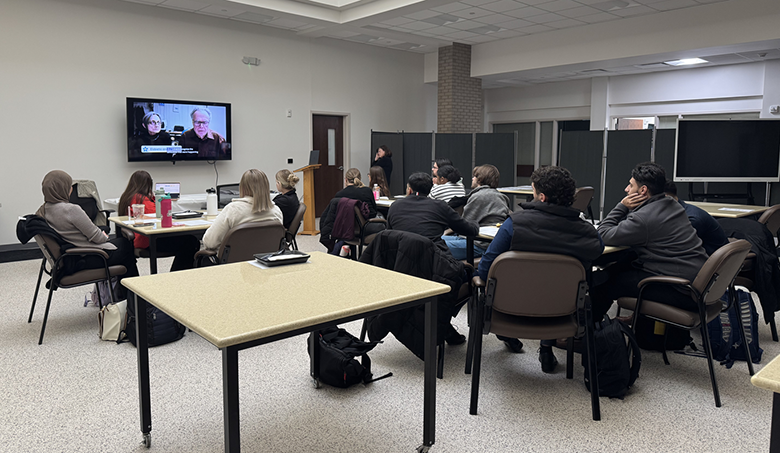
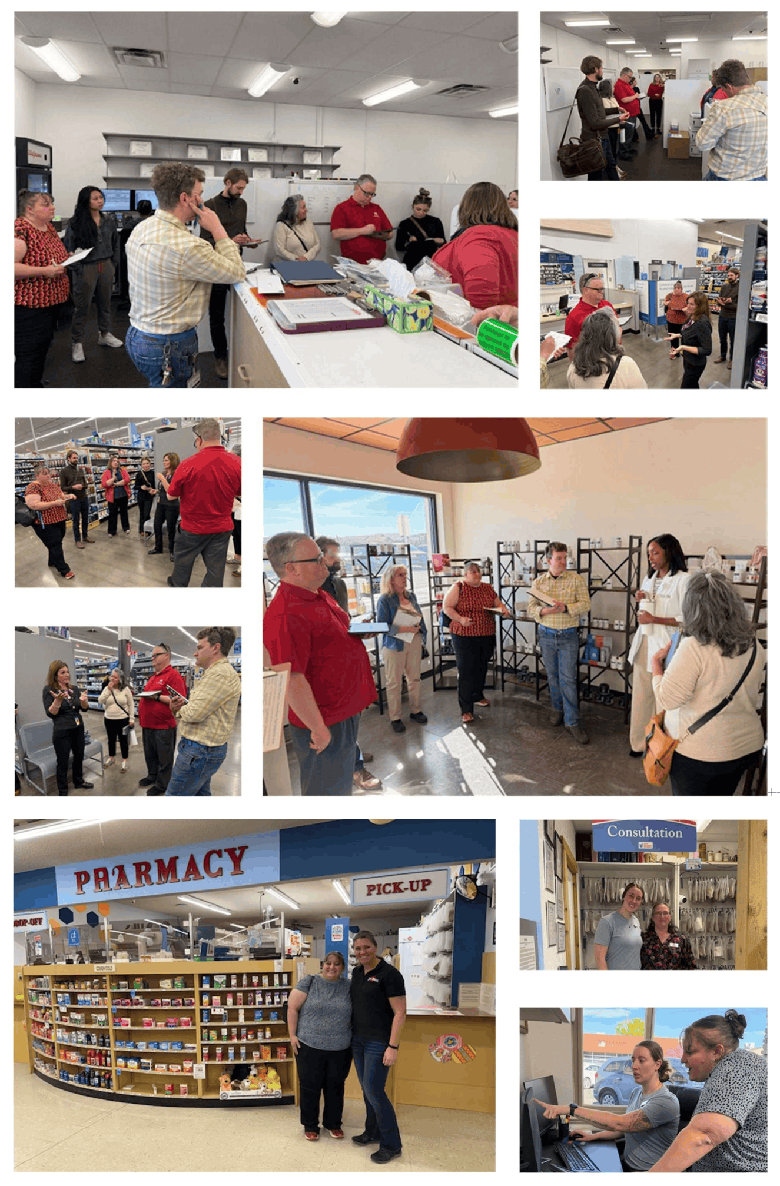
The initiative was operationalized through structured “Unite for Impact Phield Trips,” immersing faculty in contemporary community pharmacy practice. Using a standardized observation framework, faculty evaluated workflow, team-based care, clinical decision making, credentialing processes, and billing and documentation practices.
Faculty engaged with diverse urban and rural sites, observing delivery of billable services such as point-of-care testing and test-to-treat programs, along with the infrastructure supporting credentialing and reimbursement.
Student input was integrated through structured feedback from P2 and P4 learners. While students reported strong clinical preparation, they emphasized the need for earlier, longitudinal application of skills—particularly in documentation, billing, and complex patient interactions.
A facilitated faculty debrief translated findings into targeted curricular enhancements, including:
- Expanded communication training with high-stakes patient scenarios
- Implementation of a P3 Complex Communication Case
- Enhanced application of clinical reasoning in patient assessment
- Integration of credentialing, billing, and documentation into the curriculum
- Expanded business and leadership training to support sustainable practice models
This initiative establishes a scalable model for continuous, practice-informed curriculum improvement, strengthening workforce readiness and equipping graduates to lead and sustain innovative community pharmacy services.
Outcomes & Impact:
The Unite for Impact Phield Trip initiative resulted in rapid, measurable outputs and defined curricular transformation within a single academic cycle, with full implementation planned for the fall semester.
Immediate Outcomes (0–6 Months)
Within a compressed timeline, the initiative achieved the following:
- Engagement of faculty members across both clinical and basic science departments, representing all major areas of the PharmD curriculum
- Partnership with community pharmacy practice sites across New Mexico, including independent, chain, specialty, compounding, and rural settings
- Direct observation of multiple pharmacist-delivered, billable clinical service models, including point-of-care testing, test-to-treat programs, and chronic disease management
- Exposure to end-to-end pharmacist credentialing and medical billing workflows, including documentation and reimbursement processes
- Collection of structured feedback from student pharmacists (P2 and P4) across didactic and experiential phases
A structured faculty debrief translated these inputs into 5 high-priority curricular enhancements, all approved for implementation in the next academic semester.
Planned Curricular Impact (Implementation Phase)
These enhancements will impact 100% of enrolled PharmD students (n≈320 annually):
- P3 Complex Communication Case (new requirement): Implemented for n≈80 P3 students annually, requiring demonstration of communication strategies in complex patient scenarios
- Expanded communication training: Increase in simulation-based encounters involving difficult patient interactions and de-escalation by an estimated 30–50% across skills laboratories
- Enhanced clinical reasoning application: Addition of multiple new case-based learning activities across the P2–P3 curriculum, increasing longitudinal applied learning opportunities
- Credentialing, medical billing, and documentation instruction: New required content ensuring 100% of students receive foundational exposure prior to APPEs
- Expanded business and leadership training: Increased instructional time and integration of operational decision-making and sustainability concepts
Early Indicators of Impact
Early outcomes include:
- Participating faculty reporting increased awareness of contemporary community pharmacy workflows, including credentialing and billing processes
- Identification of specific, actionable competency gaps (communication, documentation, reimbursement) consistently across faculty, students, and practitioners
- Strong alignment between practice site expectations and student-identified needs, validating curricular priorities
Anticipated Student and Workforce Impact
Upon implementation, the initiative is expected to:
- Improve readiness of n≈80 graduates annually entering community pharmacy roles
- Increase student confidence and performance in complex patient communication and real-time clinical decision-making
- Establish baseline competency in pharmacist credentialing, documentation, and medical billing, supporting sustainable practice models
- Strengthen alignment between graduate capabilities and employer expectations in evolving, service-based pharmacy practice
Sustainability and Scalability
This initiative established a replicable, scalable model for practice-informed curriculum improvement, now embedded into:
- Annual curriculum review and continuous quality improvement processes
- Ongoing faculty development initiatives
- Sustained partnerships with community pharmacy practitioners and alumni (n=6+ sites, expanding)
Future evaluation will include pre/post student assessments, simulation performance data, APPE preceptor evaluations, and graduate outcomes, with targeted measurement of competencies related to billing, documentation, and service delivery.
Overall Impact:
Despite a rapid turnaround, this initiative translated real-world practice insight into measurable, system-level curricular change. By integrating pharmacist credentialing and medical billing into required training, UNM COP is proactively preparing a workforce capable of delivering, documenting, and sustaining pharmacist-provided care in modern community pharmacy practice.
Sustainability & Replicability:
Sustainability:
The Unite for Impact Phield Trip initiative has support to transition from a pilot effort to an ongoing, embedded component of the UNM College of Pharmacy’s curriculum quality improvement and faculty development processes. While initially implemented within a short timeframe, the project has established a sustainable model supported by both institutional commitment and community pharmacy partnerships.
At the institutional level, the curricular enhancements identified through this initiative have been formally approved by faculty stakeholders for integration into required PharmD coursework, ensuring that changes related to communication, clinical reasoning, pharmacist credentialing, medical billing, and business operations will be delivered to 100% of students during P1-P3. These changes will be maintained through existing curriculum review and assessment structures, aligned with ACPE Standards for continuous quality improvement.
Faculty immersion will continue as part of ongoing faculty development efforts, with plans to expand participation beyond the initial cohort and increase the diversity of practice sites, particularly in rural and underserved areas. The College has established sustained partnerships with community pharmacy sites that are actively engaged in pharmacist delivered, billable clinical services. These partners will continue to serve as practice sites, guest educators, and advisors in curriculum refinement.
Additionally, the integration of pharmacist credentialing and medical billing into the curriculum reflects broader institutional priorities related to practice transformation and workforce development, further supporting long-term sustainability.
Replicability:
This model is highly replicable and adaptable across institutions. Key components that enable replication include:
- Structured Faculty Immersion – Short, focused site visits using a standardized observation tool to guide evaluation of workflow, patient care services, credentialing, and billing practices
- Diverse Practice Partnerships – Engagement with a range of community pharmacy settings (independent, chain, rural, specialty) to capture variability in practice models
- Multi-Stakeholder Input – Intentional inclusion of practitioner and student perspectives to validate findings and prioritize meaningful change
- Facilitated Debrief and Rapid Translation – Structured synthesis of findings into actionable curricular changes within a defined timeframe
- Alignment with Accreditation Standards – Integration of outcomes into existing curriculum review processes to ensure sustainability
Importantly, this initiative does not require significant financial investment, making it feasible for institutions with varying levels of resources. The primary requirements are faculty time, committed practice partners, and institutional support for curricular adaptation.
Lessons Learned:
Several key lessons emerged:
- Direct exposure to practice is critical—even brief immersion experiences significantly enhance faculty understanding of evolving roles, particularly in credentialing and reimbursement
- Practice gaps are often not content gaps, but application gaps, reinforcing the need for more longitudinal, practice-based learning
- Stakeholder alignment strengthens impact—consistent themes across faculty, students, and practitioners accelerated decision-making and curricular change
- Rapid implementation is achievable when supported by structured processes and leadership commitment
Overall:
This initiative is an ongoing, scalable model that bridges education and practice. By embedding faculty immersion and practice-informed curriculum design into standard operations, UNM COP is sustaining meaningful change while providing a clear roadmap for other institutions seeking to advance community pharmacy practice and workforce readiness.
Impact Statement:
This project directly addresses one of the most pressing challenges in community pharmacy: aligning pharmacy education with the rapidly evolving realities of practice. As pharmacists expand into roles that include delivering and sustaining billable clinical services, success increasingly depends not only on clinical knowledge, but also on the ability to navigate workflow, manage complex patient interactions, and operationalize care through credentialing, documentation, and medical billing. By immersing faculty in real world practice environments and translating those insights into immediate curricular change, this initiative ensures that graduates are not only clinically competent, but fully prepared to function—and lead—in modern, service-based community pharmacy models.
Beyond curriculum, this work establishes a scalable model for bridging the persistent gap between academia and practice. By integrating practitioner expertise, student voice, and faculty development into a continuous improvement process, the project strengthens the pipeline of practice-ready pharmacists equipped to expand access to care, particularly in underserved and rural communities. Ultimately, this initiative advances the sustainability of community pharmacy by preparing graduates who can deliver, document, and be reimbursed for patient care services—positioning pharmacists as essential, accessible providers in the future healthcare system.
Media Links and Supporting Documents:
Please visit this link for more details: Faculty Immersion in Contemporary Community Pharmacy Practice to Transform Curriculum and Advance Workforce Readiness_Combined_Document
Transforming Community-based Practice Through Integrated Internships
University of North Carolina Eshelman School of Pharmacy | Faculty Lead: Scott Sexton
Narrative Description:
Problem Statement:
Community-based pharmacy practice faces significant challenges in expanding patient centered care. Barriers include workforce readiness at graduation, limited scope of practice, rural health disparities, and gaps in payer integration. Traditional pharmacy training may not fully prepare students to navigate rural health complexities or implement value-based care models. Intentional, practice-based training models are needed to prepare student pharmacists to deliver innovative, sustainable services across settings.
Project Objectives:
- Develop practice-ready student pharmacists through immersive internships
- Expand exposure to non-traditional community pharmacy models
- Facilitate cross-program collaboration across practice environments
- Pilot the implementation of payer-aligned services in rural pharmacy settings
Description of New Initiative:
At the UNC Eshelman School of Pharmacy (UNC ESOP), we collaborate with partners statewide to offer internships addressing community pharmacy transformation challenges. Two existing programs – the RuralRx Internship and the More Than a Script (MTS) Intern Program – are described below.
RuralRx Internship:
Founded in 2024, RuralRx addresses gaps in care across rural North Carolina, where access is limited by geography, distance, and economic barriers. The program offers summer internships for four rising P3 students who are interested in community pharmacy practice with service to underserved populations. In collaboration with partnering pharmacies, RuralRx offers a structured curriculum focused on:
- Professionalism
- Practice advancement opportunities
- Community engagement
- Social drivers of health
Interns gain first-hand experience with the needs of rural communities, and they collaborate with pharmacy teams on targeted projects to improve patient care. For example, a previous intern spent time shadowing a local physician and worked with the pharmacy team to create protocols that improved care coordination. These experiences give interns insight into how community pharmacies operate within the broader healthcare system while contributing meaningfully to patient care initiatives.
MTS Internship:
The MTS program, developed in 2024 by Blue Cross and Blue Shield of North Carolina (Blue Cross NC), supports pharmacist-led services for patients with diabetes and hypertension. UNC ESOP partnered with Blue Cross NC to develop a student pharmacist internship supporting implementation in independent community pharmacies.
In summer 2025, four interns served as peer coaches supporting implementation through on-site, virtual, and hybrid models. Student coaches helped pharmacies establish roles, optimize workflows using existing programs, and support technology integration while developing resources for on-site learners. Monthly virtual sessions led by student coaches provided support for newly enrolled pharmacies and learners.
Student coaches had check-ins with the UNC ESOP team, which facilitated feedback to Blue Cross NC and partners and served as educational opportunities. Sessions on topics such as community pharmacy sustainability, community-based pharmacy residency programs, and CPESN North Carolina were hosted to provide the students with additional exposure to community pharmacy practice.
The Innovation:
This summer, faculty and post-graduates from UNC will collaborate to support and intentionally integrate these two internship programs. We will create shared learning environments that allow students to learn from one another, collaborate across practice settings, and exchange pertinent knowledge and perspectives. We will implement this plan through joint training sessions, shared projects, overlapping site visits, cross-program mentorship, and piloting the implementation of MTS into rural pharmacies.
Outcomes & Impact:
This joint initiative builds upon two established internship programs with demonstrated success at both the student and practice levels. We aim to introduce a novel collaboration among the two programs designed to amplify these outcomes and transform the practice of pharmacy across North Carolina.
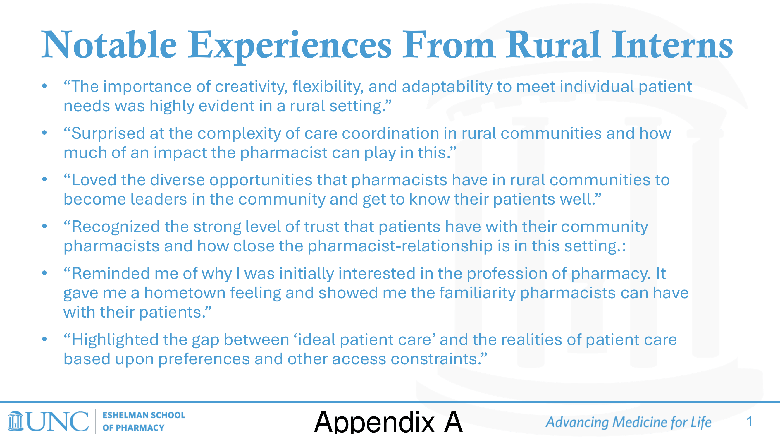
Within the RuralRx Internship program, consistent student participation reflects program demand and perceived value. This has led to growth in the program, from four to nine interns across the state, supported by the UNC ESOP strategic plan and grant funding. This growth is supported by strong qualitative feedback, with student testimonials (Appendix A) highlighting increased confidence in delivering patient care in rural settings, improved understanding of healthcare access challenges, and enhanced readiness to practice in underserved communities. These outcomes suggest the program’s effectiveness in preparing students for rural community pharmacy practice and its potential for continued scalability.
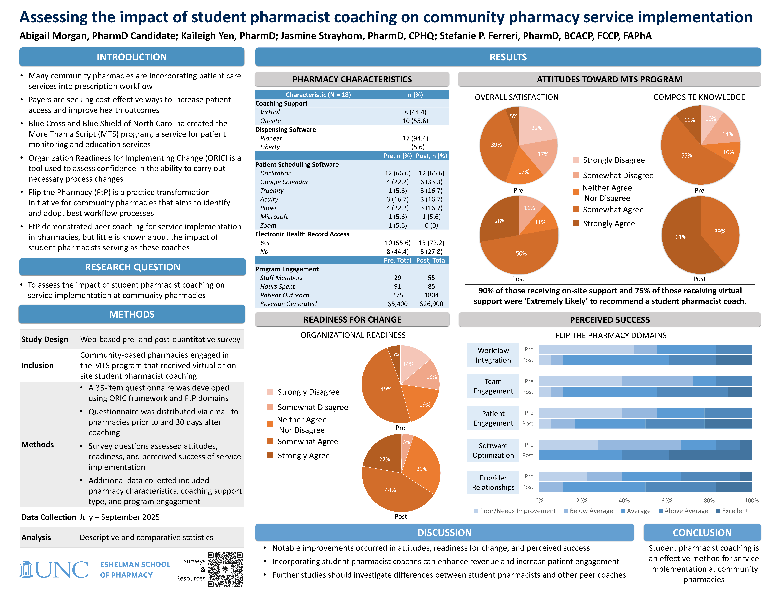
Similarly, the MTS internship has demonstrated meaningful impact at the practice level through its collaboration with Blue Cross NC and UNC Eshelman School of Pharmacy. Student pharmacist coaches supported 29 independent pharmacies, contributing to increased program engagement and improved workflow efficiency. In coached pharmacies, the number of addressed tasks (a measure of pharmacy) increased by 381%, compared to 148% in uncoached pharmacies. Pharmacies receiving coaching reported an increase in perceived success in workflow integration, patient engagement, software optimization, and provider relationships. The majority of pharmacies receiving support indicated that they would be “extremely likely” to recommend a student pharmacist coach to their peers (Appendix B).
MTS interns reported high satisfaction and continued engagement beyond their initial experience. All four interns continued to coach the pharmacies virtually throughout the school year. They also supported Blue Cross NC by developing resources for pharmacies. In addition, one intern utilized this experience to develop a research project which resulted in a national poster presentation at ACCP. A manuscript is currently in progress. For another intern, this furthered their interest in managed care pharmacy and encouraged them to take an elective course on the topic. Another’s desire for independent community pharmacy practice was strengthened, and they enrolled the pharmacy where they work into the program.
The integration of these two programs is expected to generate synergistic outcomes that extend beyond those observed independently. By embedding payer-aligned service models within rural community pharmacy settings, this initiative aims to expand the reach and sustainability of patient care services in underserved areas. Anticipated practice-level outcomes include increased implementation of MTS and population health services in rural pharmacies, improved workflow integration, and enhanced collaboration between pharmacies and payer organizations.
At the learner level, students are expected to demonstrate increased competency in translating value-based care models across diverse practice environments alongside enhanced adaptability, problem-solving, and interprofessional communication skills. Programmatic evaluation will include both quantitative and qualitative measures, through student self-assessments, preceptor feedback, service implementation metrics, and pharmacy satisfaction.
Collectively, these outcomes position the initiative as a scalable model for internship education that aligns workforce development with community pharmacy practice advancement, particularly in rural and value-based care settings.
Sustainability & Replicability:
Sustainability of this initiative is supported by the successes that have been demonstrated across the RuralRx and MTS internship programs, which have each secured ongoing grant funding and support through the UNC ESOP. Continued investment, including the planned expansion of the RuralRx program to nine interns, reflects strong confidence in the value and impact that these programs are having on students and practice sites.
Each of these internship models are built upon established infrastructure, including longstanding partnerships with community pharmacies across North Carolina. These relationships provide stability for continued implementation and growth while also providing opportunities for practice transformation and integration of payer priorities. Additionally, these programs are supported by faculty and post-graduate learners to provide structure preceptor engagement and support consistent internship learning opportunities across sites.
Intentionally integrating the RuralRx and MTS programs represents the next phase of growth for these programs. Current planning has led to a strategic direction of expanding cross-program collaboration, increasing the number of participating rural sites in implementation of payer-aligned services, and continuing to refine the shared training and mentorship models embedded in these programs. Ongoing efforts will focus on evaluating program outcomes to inform quality improvement initiatives, strengthening and growing partnerships with pharmacies and payers, and identifying opportunities to expand service offerings within rural pharmacy settings. We will be tracking patient care service expansion across the state of North Carolina through NCPharmacyFinder and an in-house database and detailing whether services are being compensated for or not.
Looking ahead, these programs are well-positioned to serve as a scalable and replicable model for future internship or experiential learning models. Their focus on workforce development and community pharmacy practice advancement aligns with the strategies of many schools of pharmacy across the nation. Through sustainability and expansion of this integrated internship approach, we aim to support the continued evolution of pharmacist-led services, particularly in rural and underserved communities, while preparing future pharmacists to lead practice transformation upon entering their careers.
Impact Statement:
This initiative represents a novel approach to practical education by intentionally integrating rural health-focused training with payer-aligned service implementation. This represents the bridging of much-needed clinical service provision and underserved populations through intentional collaboration. The initiative creates a unique opportunity to simultaneously advance workforce readiness and expand the delivery of sustainable, patient-centered services in the community pharmacy setting.
Through this model, student pharmacists will be exposed to innovative care delivery strategies while actively engaged in translating these approaches into real-world practice, with an emphasis on rural and underserved communities. The dual focus of this approach allows interns to navigate complex healthcare environments, while equipping them with the skills necessary to transform practice upon graduation. Participating pharmacies benefit from the increased capacity to implement and sustain value-based services.
Beyond its immediate impact, this initiative addresses critical gaps in patient care by positioning community pharmacies as accessible, service-driven healthcare settings. The model offers a scalable and replicable framework to integrate learners into practice advancement roles, which could be adopted by other institutions seeking to modernize community pharmacy training.
This work contributes to the advancement of community pharmacy practice while preparing the future workforce to be capable of delivering innovative, sustainable patient care models with a focus on improving access and health outcomes in rural and underserved populations.
Media Links and Supporting Documents: