
2022 AACP / NMA Conference
The 19th AACP NMA Conference is an opportunity for pharmacy faculty to engage and collaborate in the self-care and non-prescription medicine arena. Programming integrates current trends and scholarly activities in self-care relevant to education and practice.
2022 Council of Deans (COD) NABP/AACP District Meeting Task Force Survey

The 2022 Council of Deans (COD) NABP/AACP District Meeting Task Force developed the following short survey for CEO Deans to provide feedback to NABP and AACP regarding the district meetings held each year. The survey takes approximately 10 minutes to complete. Thank you for completing this survey.
Dana Hammer
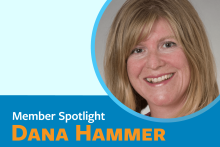
What advice do you have for new AACP members?
Don’t be shy and don’t let imposter syndrome influence your confidence! All of us can contribute and learn in so many ways—attend some conferences, and find small ways to contribute and get involved in the Association that support your career goals.
Dear Colleagues - February 2022
My favorite season of the year is definitely spring. I used to get a bit depressed if on February 2nd the news reported that the groundhog saw his shadow. As I grew wiser (and time flew faster), I realized that no matter what happened that day, the first official day of spring was truly six weeks away.
A Compelling Case for Sports Pharmacy
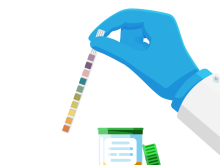
Dr. Marina Suzuki is pushing for pharmacists to take an increasing role to promote safe use of drugs among patient-athletes. As the Olympic Winter Games take place this month in Beijing, there will be plenty of competition in the 109 medal events. At the same time, there will also be scrutiny regarding anti-doping efforts.
Center for Psychoactive Substances Research Accelerates the Search for Therapeutics
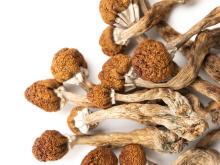
The new center at the University of Wisconsin-Madison School of Pharmacy leverages clinical and transdisciplinary expertise in the emerging field of psychedelic-assisted therapy. In 2014, the University of Wisconsin–Madison campus became the site of the first Phase 1 clinical trial for psilocybin.
Scaling Innovation

AACP’s new Transformation Center will promote and disseminate innovations in pharmacy practice and education to further optimize patient care. Against the backdrop of a pandemic, pharmacists are taking more active roles in public health. Pharmacy schools are rethinking the reach of education, delivering healthcare to communities that need it.
Meeting Mental Health Needs
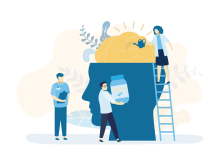
A mental health education focus area at the University of Minnesota College of Pharmacy encourages comprehensive patient care. Health experts across the United States are looking for every opportunity to ease an increasing demand for mental health services. Mental health patients can have complex needs and often require the expertise of multiple providers. Minnesota is no exception to this demand.
Access for All

As pharmacy deserts proliferate, more must be done to examine barriers to access and prepare future pharmacists to address the needs of underserved communities. The term “pharmacy deserts” is popping up with greater frequency as pharmacy closures become more widespread and independent pharmacies struggle to survive in some areas. Even chain drugstores are not immune from the changing healthcare landscape.